
How the UK Trades Sector Is Changing

The UK trades sector has changed a lot over the last decade. Some industries have grown rapidly and created new opportunities, while others have been hit hard by technology, changing customer habits, and a shortage of skilled workers.
At the same time, the makeup of the workforce is slowly shifting too, with more women entering areas that were once seen as traditionally male-dominated. Altogether, it paints a picture of a sector that is evolving quickly and, in many cases, having to adapt just to keep up.
The trades that are growing
Although broad statistics often show an overall decline in skilled trade occupations, that does not tell the full story. Some sectors have grown strongly and continue to offer solid long-term prospects.
Aviation has seen exceptional growth
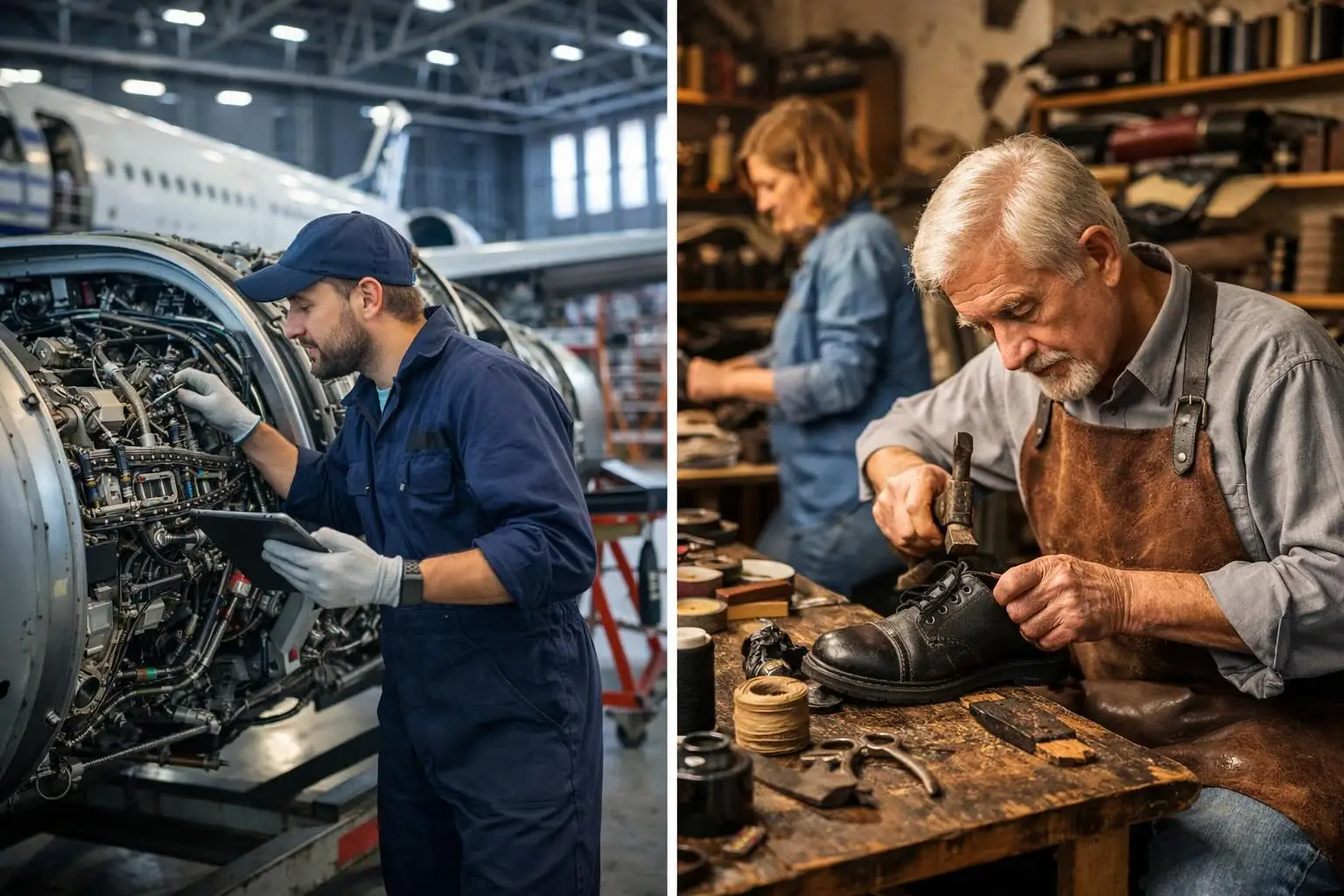
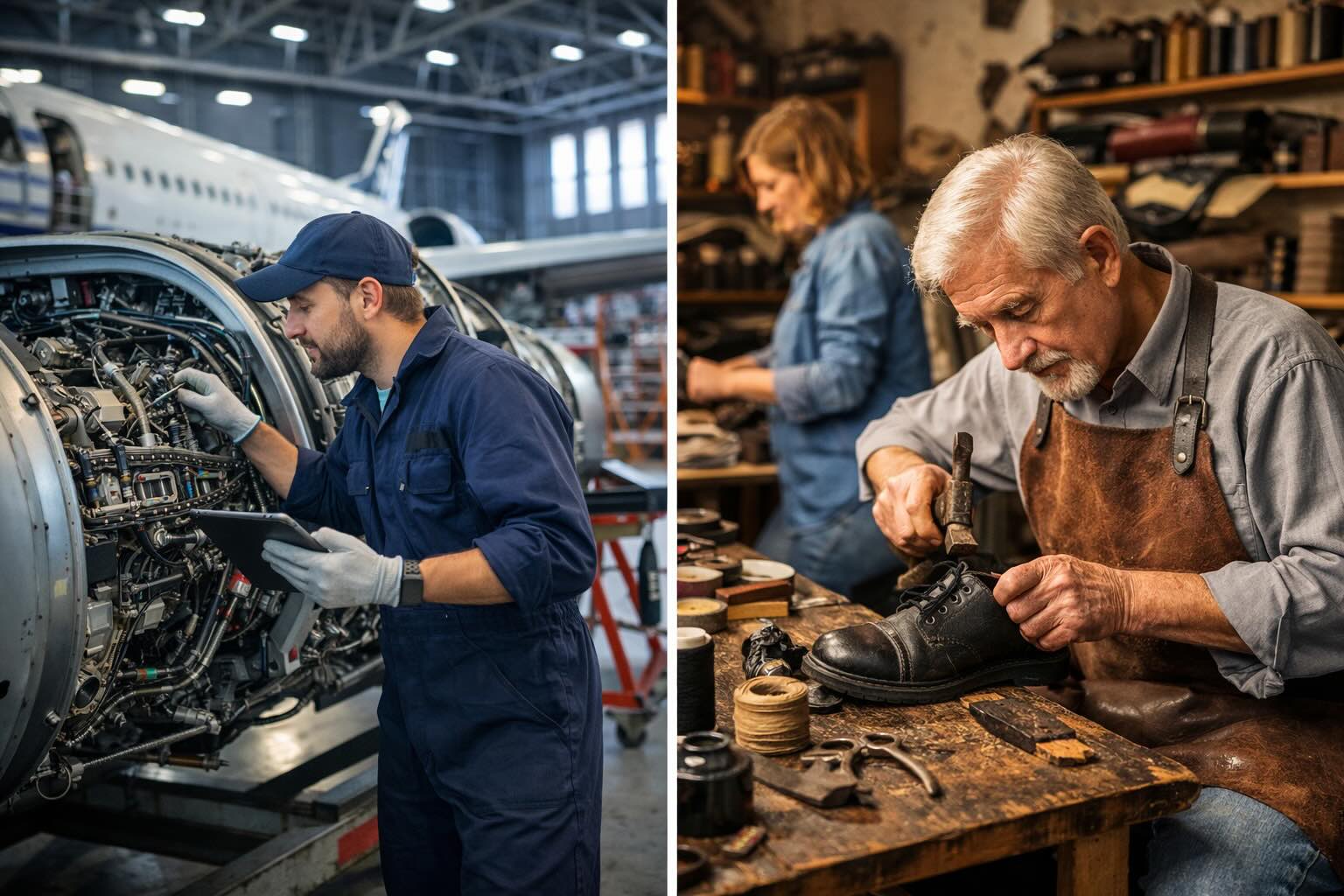
Aircraft maintenance has been one of the biggest success stories. Over the last decade, the number of people working in this area has risen sharply, reflecting strong demand for air travel and the continued expansion of airlines serving the UK.
It is a highly specialised trade, but one that offers stability, strong earning potential, and clear demand for qualified workers. As long as planes continue flying, maintenance and safety checks will remain essential.
Rail continues to expand
The rail sector has also grown significantly. Investment in infrastructure, ongoing network upgrades, and increased demand for both passenger and freight services have all helped create more work in rail building, repair, and maintenance.
Compared with some traditional trades, rail has offered a level of long-term security that many workers are now looking for.
Hospitality has bounced back strongly
Hospitality has also shown impressive resilience. After a difficult few years, the sector has recovered well and continues to create work, especially in food-related roles.
Chefs remain in strong demand thanks to the growth of restaurants, gastropubs, takeaway services, and food delivery platforms. Food preparation and catering roles have also grown as eating out and convenience dining have become a bigger part of modern life.
Landscaping is steadily gaining ground
Landscape gardening may not have seen the explosive growth of aviation, but it has held up well and continues to grow. Demand has been driven by people investing more in outdoor spaces, gardens, patios, and greener developments.
It is a trade that combines practical skill with creativity. Whether it is domestic projects or larger commercial work, landscaping has benefited from growing interest in sustainability, outdoor living, and attractive green spaces.
The trades that are struggling
Not every trade has shared in that growth. Some traditional industries have been hit hard by automation, digital technology, and changing consumer behaviour.
Printing has been heavily affected by digital change
Printing is one of the clearest examples. As businesses and consumers rely more on digital files, online media, and paperless systems, demand for traditional printing services has fallen dramatically.
What was once a busy and dependable trade has been reduced by the shift to digital communication and the growing push to reduce paper use.
Welding has changed as automation has advanced
Welding is another trade that has changed significantly. Automated systems now handle many of the repetitive jobs that used to require skilled manual work.
That has not made welders irrelevant, but it has changed the type of work available. The jobs left are often more specialised, technical, or complex, which means fewer roles overall but higher skill demands for those still in the trade.
Leather and footwear repair have declined
Repair work in footwear and leather goods has also dropped sharply. People are now far more likely to replace worn items than pay to have them repaired.
Fast fashion, cheaper imports, and throwaway buying habits have all taken their toll on what was once a respected and dependable area of skilled craft work.

The electrician challenge
Electrical work is one of the most interesting examples of how modern trades are changing. Demand is clearly there, but the number of workers has not kept pace.
Electricians today are expected to do much more than traditional installation and wiring. They are increasingly working with smart home technology, renewable energy systems, battery storage, EV charging points, and connected devices. In many cases, the job now involves as much understanding of digital systems and integrations as it does electrical knowledge.
That creates a clear opportunity, but also a major challenge. The skills gap is growing, and there are simply not enough qualified people entering the trade to meet future demand.
Technology is reshaping how tradespeople work
Technology has changed almost every part of the trades sector. Even where jobs have not disappeared, the way work is carried out has moved on.
Many tradespeople now use tablets, mobile apps, digital plans, job management software, and cloud-based documentation as part of everyday work. Builders and contractors are coordinating projects digitally, sharing updates in real time, and relying more on digital systems to improve efficiency.
These changes have made some parts of the job easier and more accurate, but they have also raised the standard expected of workers. Tradespeople are now expected to be not only skilled with their hands, but comfortable with modern tools, systems, and digital processes too.
The ongoing skills shortage
One of the biggest problems across the sector is still the shortage of skilled workers. Even with advances in technology, many industries are struggling to recruit and retain enough people.
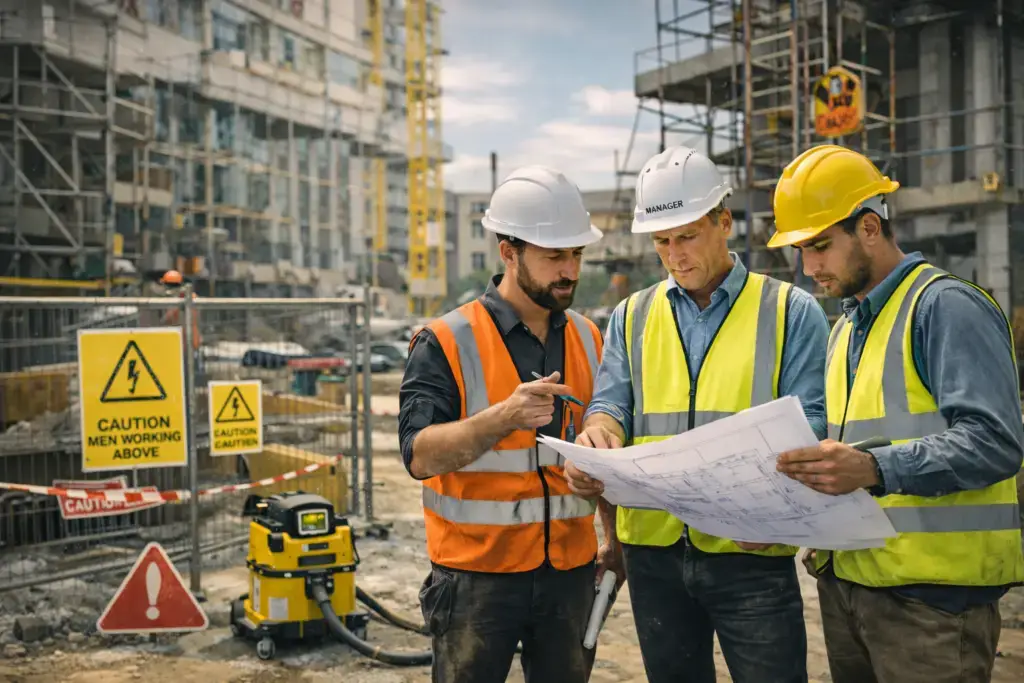
Construction is a major example. The work is there, the demand is there, yet many businesses are finding it harder than ever to source experienced workers. That creates delays, drives up costs, and puts extra pressure on those already in the industry.
The issue is not just about numbers either. In many cases, there is a shortage of people with the right level of training, qualifications, and up-to-date technical knowledge.
More women are entering some trades
Gender diversity in the trades is improving, but progress has been uneven.
In some areas, there has been a noticeable shift. Baking and cooking, for example, have seen strong female representation, and upholstery has moved much closer to balance than many other skilled trades.
That shows change is possible when barriers are lowered and industries become more welcoming.
But some trades remain heavily male-dominated
Other parts of the sector have changed far more slowly. Electrical work and construction still have very low levels of female participation, which points to wider cultural and structural issues that have not yet been fully addressed.
This is not just about fairness. A broader, more inclusive workforce could help tackle the skills shortage and bring fresh talent into industries that need it badly.
What the last decade has shown
The biggest lesson from the past ten years is that adaptability matters. The trades that have done well are usually the ones that have moved with the times, embraced new technology, and responded to changing customer needs.
The ones that have struggled are often those most exposed to automation, digital disruption, or changing buying habits.
For tradespeople working today, success is no longer just about being good at the job itself. It is also about keeping skills current, understanding where demand is heading, using technology where it adds value, and being ready to evolve as the market changes.
The sector is still full of opportunity, but it is clear that standing still is no longer an option.